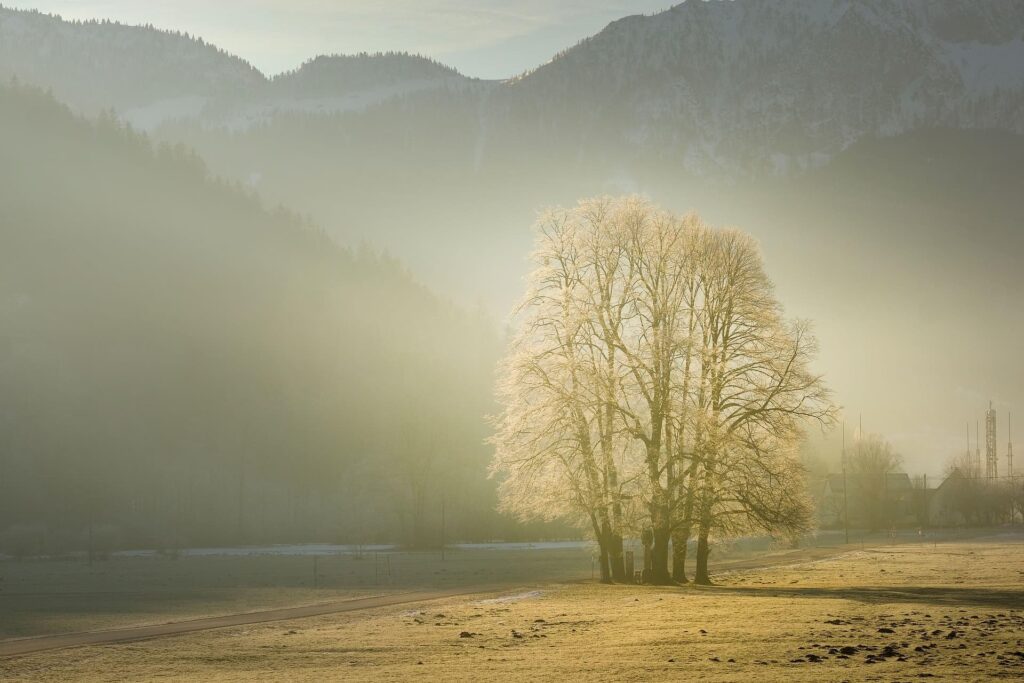
Sunlight Whispering on the Stone Wall: Kim Yeong-nang’s Poetic Masterpiece
Kim Yeong-nang’s “Sunlight Whispering on the Stone Wall” captures a tranquil spring day with radiant…
Discover Nostalgia in Jeong Ji‑yong’s “향수” — A Moving Dive into Korean Poetry
Jeong Ji‑yong’s poem “향수” (“Nostalgia”) evokes vivid rural scenes—fields, brooks, family, memory—under colonial shadows. Through…
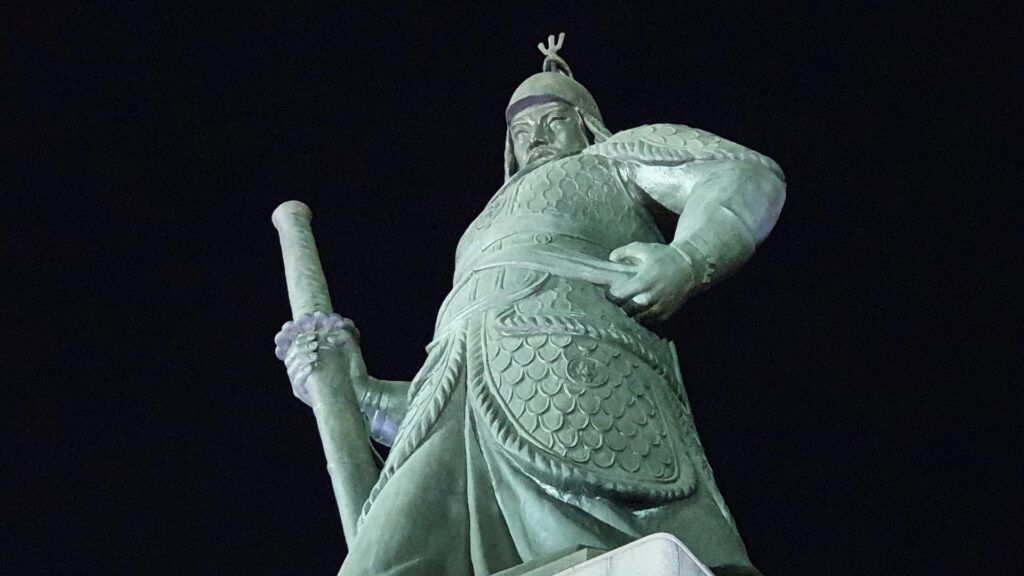
Learn Korean History & Poetry: Yi Sun-sin’s “Hansan Island” Sijo
Explore the poetic soul of Korea’s revered naval commander Yi Sun-sin through his sijo, “On…
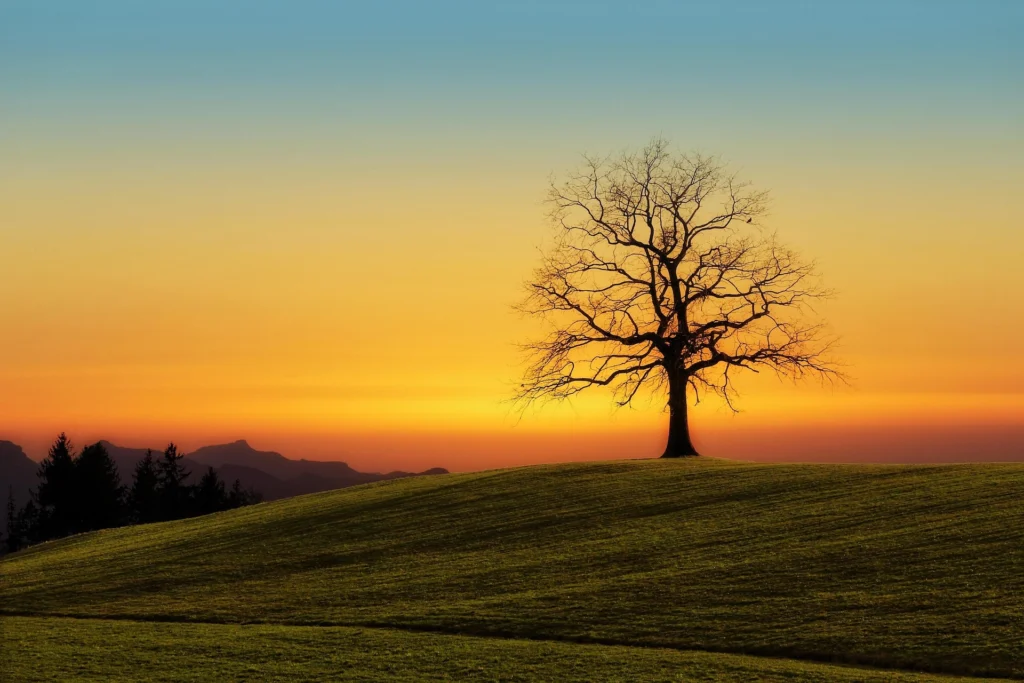
Turgenev’s Hill by Yoon Dong-ju: Poverty, Conscience, and Twilight
Yun Dong-ju’s “Turgenev’s Hill” is a poetic reflection on poverty, moral hesitation, and emotional distance….
Transform Korean Verbs with -gi, -neun, -go, -ge Easily
Transformative endings like -기, -는, -고, and -게 don’t just end thoughts—they reshape verbs to…
Korean Connective Endings Quiz: 100 Real-Life Practice Questions
Korean connective endings like -고, -서, -지만, -자마자 help link thoughts smoothly across clauses.
This 100-question…
Master Korean Connective Endings with Real-Life Dialogues
Korean is a language of flowing thoughts. Connective endings like -아서, -니까, -지만 are the…
Korean Sentence-Final Endings: Master Tone and Politeness Naturally
종결어미 (sentence-final endings) are how Korean sentences express intent, tone, and politeness. Whether you’re asking,…